Please wait a minute...
Table of Content
20 February 2025, Volume 53 Issue 1
For Selected: View Abstracts Toggle Thumbnails
  • Corp cultivation·Germplasm resources
    Effects of tillage methods on soil physical properties of brown soil farmland and foxtail millet yield
    GUO Ning, GAO Riping, LONG Buju, CAI Linlin, YANG Rongdao, GAO Yu, GAO Hongyan, ZHAO Peiyi, PAN Zhihua, DU Erxiao
    2025, 53(1):  1-9.  doi:10.12190/j.issn.2096-1197.2025.01.01
    Abstract ( 113 )   PDF (959KB) ( 44 )   Save
    References | Related Articles | Metrics
    【Objective】To explore the effects of tillage methods optimization on the physical properties and foxtail millet yield of brown soil in the western Liaohe Plain,Inner Mongolia.【Methods】Using the traditional shallow tillage of 30 cm(CK) as a control,setting deep tiller tillage 50 cm(SF),deep loosening machine loosening tillage 50 cm(SS),deep loosening machine loosening tillage 50 cm and rotary tiller rotary tillage 30 cm(SSX),and deep tiller tillage 50 cm and rotary tiller rotary tillage 30 cm(SFX) four treatments,on soil hardness,soil bulk density,soil moisture content,and foxtail millet yield of 0-100 brown soils were compared and analyzed in different treatments and different growth stages.【Results】The soil structure was improved by different tillage methods,and the soil bulk density of SS,SSX,SFX,and SF treatments significantly decreased by 0.16%-2.26%,4.63%-6.24%,3.81%-5.88%,and 1.08%-3.95% compared with CK in 0-10,10-20,20-40,40-60,and 60-80 cm soil layers,respectively(P<0.05);the soil moisture content of 20-40 cm soil layer was the highest in the 0-100 cm soil layer,and the soil moisture content of each treatment was SSX>SFX>SF>SS>CK at different growth stages,and the soil moisture content of SSX treatment increased by 4.81%-9.90% compared with CK.In terms of agronomic traits and yield of foxtail millet,the ear thickness,ear length,ear weight and 1 000-grain weight of SSX and SFX treatments were significantly increased by 11.67%,9.28%,8.25%,10.98% and 9.63%,7.70%,6.04%,8.63%,respectively(P<0.05),and the yield of foxtail millet after SSX treatment increased most significantly compared with CK,was 7.65%(P<0.05);the water consumption of foxtail millet in all growth stages was CK>SS>SF>SFX>SSX,and the water consumption of foxtail millet under SSX treatment was 893.60 mm,and the water use efficiency of foxtail millet was improved under four treatments,and the effect of SSX treatment was best,which was improved 8.14% than CK.【Conclusion】The tillage methods optimization can significantly improve soil structure,increase soil moisture in tillage layer,and increase foxtail millet yield,the treatment of deep loosening machine loosening tillage 50 cm and rotary tiller rotary tillage 30 cm has the best effect,which is the optimal mode to alleviate the soil barrier of brown soil in the western Liaohe Plain,Inner Mongolia,and ensure stable and increased yield of foxtail millet.

    Analysis of factors influencing the maize mechanical grain harvest quality in the western of Hexi Corridor
    SHEN Xiaohua, NIU Tianwen, ZHAO Haonan, LI Wenjun, HOU Liangyu
    2025, 53(1):  10-16.  doi:10.12190/j.issn.2096-1197.2025.01.02
    Abstract ( 77 )   PDF (683KB) ( 19 )   Save
    References | Related Articles | Metrics
    【Objective】To improve the maize harvest quality and to extend the application of maize mechanical grain harvesting in western Hexi Corridor.【Methods】In 2023,the harvest quality test in field of 10 different maize cultivars was carried out in Xiaheqing Farm,Jiuquan City,Gansu Province in which,the same mechanical was used to harvest and the the grain moisture content,grain breakage rate,impurity rate,and field loss rate of sampled and tested after harvest.【Results】On average,the grain moisture content,grain breakage rate,impurity rate,and field loss rate of tested cultivars were 26.25 % with a variation of 17.80%-33.10%,8.13% with a variation of 2.96%-19.80%,0.86 % with a variation of 0.02%-3.26%,and 3.58% with a variation of 3.51%-3.64%,respectively. There was a extremely significant positive correlation between grain breakage rate and grain moisture content(P<0.01),which could be described with a fitting equation:y=-0.466 1e0.100 2xR2=0.405 7) that grain breakage rate would reach its lowest when grain moisture content were 17.10%;another extremely significant positive correlation was also found between impurity rate andgrain moisture content(P<0.01),which could be described with a fitting equation:y=0.001 5e0.217 7xR2=0.454 7) that impurity rate would be minimized when grain moisture content were 16.40%;while field loss rate was negatively correlated with grain moisture content,which could be described with a fitting equation:y=1E-06x4-0.000 3x3+0.015 3x3-0.324 0x+5.928 2(R2=0.299 2) that field loss rate would be the least when grain moisture content were 20.20%.【Conclusion】The overhigh grain moisture content on harvesting is the major affecting factor on the maize mechanical grain harvesting quality in the western of Hexi Corridor. By selecting suitable cultivars and scientifically arranging harvesting time,the maize mechanical grain harvesting quality will be improved in the western Hexi Corridor.
    Effects of cotton and peanut intercropping on crop growth and development and yield
    LI Zongchen, WEI Shouran, DING Xiaoyan, ZHANG Wei
    2025, 53(1):  17-23.  doi:10.12190/j.issn.2096-1197.2025.01.03
    Abstract ( 100 )   PDF (779KB) ( 24 )   Save
    References | Related Articles | Metrics
    【Objective】To explore the effects of cotton and peanut intercropping on crop growth and development and yield in Shihezi,Xinjiang.【Methods】Three planting patterns were set up namely cotton monoculture,peanut monoculture and cotton and peanut intercropping. Sampling and measuring plant height,chlorophyll content(SPAD value) and root density(RLD) value in 0-20 cm and 20-40 cm soil layers from June 11 to August 9,2023,measuring the yield in early september,and analyzing the effects of different planting patterns on crop growth and land equivalent ratio(LER).【Results】From June 11 to August 9,intercropping cotton plant height increased by 7.61% to 15.90% compared with monoculture cotton,intercropping peanut plant height increased by 4.32% to 41.86% compared with monoculture peanut;the SPAD value of intercropping cotton on June 30 and July 9 were significantly increased by 23.06% and 8.90% compared with monoculture cotton(P<0.05),and the SPAD value of monoculture peanut on June 30,July 9 and July 20 were significantly increased by 13.88%,8.13% and 15.64% compared with intercropping peanut(P<0.05),respectively. In 0-20 cm soil layer,the RLD value of intercropping cotton was significantly increased by 34.82% on June 30 compared with monoculture cotton(P<0.05),and the RLD value of intercropping peanut on June 30,July 9 and July 20 were significantly increased by 29.21%,42.97% and 30.76% compared with monoculture peanut(P<0.05);in 20-40 cm soil layer,the RLD value of intercropping cotton on June 30 and July 20 were significantly increased by 37.58% and 57.43% compared with monoculture cotton,respectively(P<0.05),the RLD value of monoculture peanut on June 11,June 30,July 9 and August 9 were significantly increased by 47.25%,45.18%,22.22% and 30.95% compared with intercropping peanut,respectively(P<0.05). Due to the competition between the two crops for light and the limitation of resources and planting environment,the yield of monoculture cotton was 24.36% higher than that of intercropping cotton,the yield of monoculture peanut was 13.64% higher than intercropping peanut;the LER of intercropping cotton and peanut was 1.62.【Conclusion】Intercropping increased the plant height of cotton and peanut,and promoted the SPAD value of cotton in the early intercropping stage in Shihezi,Xinjiang.Although the yield of intercropping cotton and peanut was lower than monoculture,it still had the advantage of intercropping.
    Adaptability and comprehensive evaluation of high-quality foxtail millet varieties in the western Henan Province
    WANG Cheng, LIU Mengke, TONG Shengli, GUO Haojie, YANG Furong, DU Bing, ZHOU Jiamin, ZHANG Fuhou, MENG Chaomin
    2025, 53(1):  24-37.  doi:10.12190/j.issn.2096-1197.2025.01.04
    Abstract ( 92 )   PDF (1097KB) ( 35 )   Save
    References | Related Articles | Metrics
    【Objective】To screen high-quality and high-yield foxtail millet varieties suitable for promotion and cultivation in the western Henan Province(Western Henan),and provide references for the sustainable development of the local foxtail millet industry and the new variety breeding.【Methods】Taking 29 foxtail millet varieties as the experimental materials,variety screening experiments were conducted continuously for 4 years(2019—2022) at different locations in the western Henan Province(Yichuan County,Luoning County,Luolong District and Ruyang County),and 8 agronomic traits,6 nutritional quality indexes,and yield of the participating varieties were determined;comprehensive evaluation was conducted through correlation analysis,cluster analysis and principal component analysis,and the relevant trait indexes were ranked by using the grey correlation degree analysis method.【Results】In the multi-point experiment over 4 years,the ones with better agronomic traits were Changnong 35,Jinuomi No. 2,Zhonggu 2,Yugu 35,Yugu 31,Dongchangjingu,Jigu 39,and Yugu 18;the ones with better yield and nutritional quality indexes were Jigu 20,Yugu 36,Jigu 17,Tiansu No. 1,Jingu 21,Changsheng 13. In 2019,Yichuan County had the highest yield,which was 5 162.01 kg/hm2. The crude fibre content was extremely significant positive correlated with plant height and crude ash content,and stem diameter with moisture(P<0.01),while plant height was extremely significant negative correlated with ear width,crude fibre content with stem diammer,ear width,weight per ear,moisture,and carbohydrate content with crude protein content(P<0.01). Cluster analysis divided the tested varieties into five groups;principal component analysis indicated that the cumulative contribution rate of the five principal components was 72.577%;the top 5 foxtail millet varieties with the highest scores in the comprehensive evaluation were Jigu 17,Jinuomi No. 2,Jigu 38,Jigu 37 and Jigu 20. Grey correlation degree analysis indicated that the indexes most closely related to the quality of foxtail millet were leaf width(0.806 9),leaf length(0.803 7),crude protein content(0.803 6),crude fat content(0.801 4),and panicle length(0.800 7) in sequence.【Conclusion】Jigu 17,Jinuomi No. 2,Jigu 38,Jigu 37 and Jigu 20 have better comprehensive performance,stronger adaptability and higher nutritional quality,are more suitable foxtail millet varieties for cultivation in the western Henan Province.
    Evaluation of stability of silage maize varieties using different statistical models and method
    WEI Cuixia, LI Rui, WEN Gang, GUO Wei, FENG Aozhi, GOU Caiming
    2025, 53(1):  38-47.  doi:10.12190/j.issn.2096-1197.2025.01.05
    Abstract ( 89 )   PDF (892KB) ( 82 )   Save
    References | Related Articles | Metrics
    【Objective】To objectively evaluate the high yield,stability,and adaptability of silage maize varieties,and provide reference for the promotion of silage maize varieties.【Methods】Shukla model,Eberhart Russell model,AMMI model,and RSD method were used to comprehensively analyze the biological dry weight of 9 silage maize varieties(Chengdan 623,Liang 2020,Chengqing 3211,Chuandan 2110,Le1999,Chengdan 768,Miandan 968,NanW3465,Yayu silage No. 8) in 9 different ecological environments including Yibin City,Leshan City,and Mianyang City in Sichuan Province in 2022.【Results】Liang 2020 and Chengdan 623 had relatively high biological dry weight,with 17 007.75 and 16 664.55 kg/hm2,which were 11.39% and 9.14% increased compared to Yayu silage No. 8(CK). The Shukla variance of genotype and environment interaction(G×E) was small,with values of 5 332.98 and 2 520.75. The RSD value was small,RSDG2=0.130 1 and RSDG1=0.114 5. The reaction parameters were all less than 1,with bG1=0.919 1 and bG2=0.951 9. There was no significant difference(P>0.05) between the stability parameter S2di and the experimental error;the stability parameter Di value was low,with DG1=7.39 and DG2=10.12. From the environmental index of each test site,it could be seen that Dazhou test site had the highest with IE9=275.96,followed by Nanchong test site with IE4=253.76,which was the most favorable for variety performance. The maximum discriminant power DE5 of each test site was 17.74,and the minimum was 1.84,indicating that the Bazhong test site had the strongest discriminant power,while the Ya′an test site had the weakest discriminant power.【Conclusion】Liang 2020 and Chengdan 623 are high yield,stable,and widely adaptable silage maize varieties that can be widely promoted and applied.Bazhong test site is suitable for efficiently selecting high-yield and stable silage maize varieties,while Ya′an test site has weak discernment and is not suitable for efficiently selecting high-quality silage maize varieties.
    Soil and fertilizer·Physiology and biochemistry
    Effects of fertilizer combined application on soil nutrient and foxtail millet yield formation in the loess arid farming region of Shaanxi
    LIU Qinhui, ZHOU Tianyou, YANG Shuangshuang, LIU Yu, WEI Lichao, WANG Zhihao, WANG Xiaolin
    2025, 53(1):  48-56.  doi:10.12190/j.issn.2096-1197.2025.01.06
    Abstract ( 85 )   PDF (916KB) ( 31 )   Save
    References | Related Articles | Metrics
    【Objective】To explore the effects of different fertilizer combined applications on soil nutrients,photosynthetic physiological indexes and yield formation of foxtail millet in the loess arid farming region of Shaanxi.【Methods】Foxtail millet variety Changsheng 07 was used as experimental material,and random block design was adopted,N 45 kg/hm2(CK),N 60 kg/hm2+P2O5 30 kg/hm2(G1),N 90 kg/hm2+P2O5 45 kg/hm2(G2),N 60 kg/kg/hm2+P2O5 40 kg/hm2+organic fertilizer 2 000 kg/hm2(G3),N 60 kg/hm2+P2O5 40 kg/hm2+microbial fertilizer 5 kg/hm2(G4) 5 fertilizer treatments were set up to carry out field experiments,the differences of soil nutrients and root morphology,photosynthetic physiological indexes,yield and its components,water use efficiency of foxtail millet under different treatments were analyzed.【Results】In foxtail millet filling stage,G3 treatment had the highest soil organic matter content(5.67 g/kg),G2 treatment had the highest soil available phosphorus content(11.93 mg/kg),G4 treatment had the highest soil available potassium content and hydrolyzed nitrogen content(81.00 and 20.07 mg/kg,respectively). In foxtail millet maturity stage,soil organic matter content in G4 treatment was the highest(6.05 g/kg),soil available phosphorus content in G2 treatment was the highest(13.47 mg/kg),and soil hydrolyzed nitrogen content in G3 treatment was the highest(19.40 mg/kg). Compared with CK,all treatments significantly improved the root length and root surface area of foxtail millet(P<0.05),G3 treatment showed a significantly increased by 49.25% and 64.28% in root length and root surface area compared with CK,respectively(P<0.05). In foxtail millet heading stage,the net photosynthetic rate in G2 treatment was significantly increased by 42.67% compared with CK(P<0.05),and the stomatal conductance,transpiration rate and SPAD value in G1 treatment were increased by 81.00%,57.82% and 10.72% compared with CK,respectively;in foxtail millet filling stage,the net photosynthetic rate of G2 treatment compared with CK was increased by 9.81%,stomatal conductance and transpiration rate of G4 treatment compared with CK were decreased by 19.90% and 23.58%,respectively,and SPAD value of G1 treatment compared with CK was significantly increased by 22.93%(P<0.05). The weight per ear,ear length and grain weight per ear of G1 treatment were increased by 43.26%,7.76% and 57.33% compared with CK;the ear width of G2 treatment increased by 8.61% compared with CK;the 1 000-grain weight of G4 treatment was significantly increased by 67.84% compared with CK(P<0.05);foxtail millet yield and water use efficiency of G3 treatment were significantly increased by 123.63% and 123.51% compared with CK(P<0.05),respectively,followed by G4 treatment.【Conclusion】Reasonable combined application of N and P fertilizer in the loess arid farming region in Shaanxi can effectively improve the soil nutrient structure,regulate the root morphology development and function of foxtail millet,promote the photosynthetic production capacity of foxtail millet,on this basis,the addition of organic fertilizer and microbial fertilizer can stimulate the potential increase of foxtail millet yield and water use efficiency.
    Research progress on the relationship between soluble organic carbon and soil organic carbon stabilization
    GAO Qisong, LI Ruxin, SHAO Jingyi, LIU Xinkun, HAN Huifang
    2025, 53(1):  57-63.  doi:10.12190/j.issn.2096-1197.2025.01.07
    Abstract ( 90 )   PDF (657KB) ( 118 )   Save
    References | Related Articles | Metrics
    Soluble organic carbon(DOC) is one of the more active components in soil organic carbon(SOC),which can effect the utilization of soil nutrients by crops and the activities of microorganisms in the soil.This article summarizes the composition and sources of DOC,the influencing factors of adsorbing DOC,and uses four equation models to analyze the adsorption capacity results of DOC in dry land,forest land,paddy field and different soil layers. By analyzing soil aggregates and soil clay minerals,to further reviewe the related research on the relationship between soil DOC and SOC stabilization,with the aim of understanding the soil carbon sequestration potential. So as to provide a reference for the green and efficient development of agriculture.
    Effects of biological microbial agents on photosynthetic characteristics and yield of maize at filling stage
    ZHANG Yidi, YE Jun, DUAN Sitong, ZHANG Xiangqian, ZHAO Zihao, XIAO Sa, WANG Weini, LI Juan, XING Jun, WANG Hongwei, ZHANG Dejian
    2025, 53(1):  64-72.  doi:10.12190/j.issn.2096-1197.2025.01.08
    Abstract ( 80 )   PDF (2186KB) ( 27 )   Save
    References | Related Articles | Metrics
    【Objective】To clarify the effects of different biological microbial agents on the photosynthetic characteristics and yield of maize during the filling stage under straw returning conditions along the southern bank of the Yellow River irrigation area.【Methods】Using the maize variety Lihe No. 1 as the test material,four treatments were set up:Bacillus+Acetobacter(A),Bacillus+fermenting fungi+Actinomycetes(B),Bacillus subtilis+lichen(C),and a control group without microbial agents(CK). The study analyzed the effects of different biological microbial agents on the light response curve and diurnal variation in photosynthetic characteristics of maize ear leaves during the filling stage and maize yield.【Results】The diurnal variations in net photosynthetic rate(Pn) and stomatal conductance(Gs) of plants in all treatments exhibited a bimodal curve trend,with both Pn and Gs peaking at the same times(10:00 and 14:00). The transpiration rate(Tr) reached its peaks at 10:00 and 13:00,with some differences in peak magnitudes among treatments. The diurnal variation in intercellular CO2 concentration(Ci) in maize ear leaves followed a “V”-shaped pattern. The fitted light response curves for all treatments reached significant levels,with Treatment B showing the highest simulated maximum net photosynthetic rate(Pnmax) at 32.90 μmol/(m2·s),which was 12.29%,6.44%,and 18.01% higher than those of CK,Treatment A,and Treatment C,respectively. Moreover,Treatment B resulted in the highest yield(14 299.59 kg/hm2),surpassing the other treatments by 2.00%-9.01%.【Conclusion】Bacillus+fermenting fungi+Actinomycetes with straw returning can effectively enhance soil nutrients and increase maize yield,and is more suitable for farmland application along the southern bank of the Yellow River irrigation area.
    Study on seed germination activity of Trollius chinensis Bunge at different storage time
    GAO Xinlei, LIU Lihong, ZHANG Li, WANG Xiuyan, YANG Yancheng, QIN Lijin, LI Nan
    2025, 53(1):  73-82.  doi:10.12190/j.issn.2096-1197.2025.01.09
    Abstract ( 89 )   PDF (1004KB) ( 10 )   Save
    References | Related Articles | Metrics
    【Objective】To investigate the effects of storage time,gibberellin concentration,and varied temperature conditions on the seed germination activity of Trollius chinensis Bunge,and provide reference for the storage and germination activity conditions screening of seeds of T. chinensis Bunge.【Methods】Under different concentration gibberellin (100,250,500,800,1 000 mg/L)and varied temperature conditions(15/5,20/10,25/15,25/20,30/20,30/25 ℃),dry storage for 1,2,and 3 years seeds of T. chinensis Bunge were used for germination test. And differential analysis of germination index was conducted on the seed of T. chinensis Bunge germination time of different treatments and seed germination index of different storage times(25/20 ℃,250 mg/L gibberellin),different varied temperature conditions and storage times(250 mg/L gibberellin),and different concentration gibberellin and different storage times(25/20 ℃).【Results】The dry storage for 3 years seeds of T. chinensis Bunge germination beginning time and peak germination time were longer,but the shortest time of germination beginning time(8 d) occurred in the dry storage for 3,2,and 1 year,and the shortest time of peak germination time(10 d) only occurred in the dry storage for 1 year. Under the 25/20 ℃ varied temperature condition and 250 mg/L gibberellin treatment,the daily germination rate of the dry storage for 3 years seeds of T. chinensis Bunge were more lower than 2 and 1 year. Under the 250 mg/L gibberellin treatment,the germination rate and germination index of the dry storage for 2 and 1 years seeds of T. chinensis Bunge were significantly higher than 3 years at 25/20 ℃ varied temperature condition(P<0.05);the germination rate of the dry storage for 3 years seeds of T. chinensis Bunge at 25/15 ℃ varied temperature conditions,for 2 years at 25/20 ℃ and for 1 year at 20/10 ℃ were the highest(20.87%,62.00%,and 74.73%),respectively,the germination index of the dry storage for 3 years seeds of T. chinensis Bunge at 25/15 ℃ varied temperature conditions,for 2 and 1 years at 25/20 ℃ were the highest(1.26,5.20,and 5.38),respectively. Under the 25/20 ℃ varied temperature condition,the germination rate and germination index of the dry storage for 2 and 1 year seeds of T. chinensis Bunge were significantly higher than 3 years(P<0.05) at treating with 250 mg/L gibberellin treatment,the germination rate and germination index of the dry storage for 3 years seeds treated with 100,250,500 mg/L gibberellin treatment,for 2 years treated with 250,500,1 000 mg/L gibberellin treatment and for 1 year treated with 500,800 mg/L gibberellin treatment were more higher.【Conclusion】Under the 25/20 ℃ varied temperature condition,with 250 mg/L and 500 mg/L gibberellin treatment is more conducive to improving the germination activity of dry storage for 3 and 2 years seeds of T. chinensis Bunge,and with 500 mg/L and 800 mg/L gibberellin treatment is more conducive to improving the germination activity of dry storage for 1 year seeds of T. chinensis Bunge.
    Plant protection·Horticulture
    Study on the application effect of prevention and control sunflower broomrape microecological agents in the northern foot of Yinshan Mountain
    GAO Xiang, Gaowa, WANG Qi, GAO Zhenjiang, ZHANG Dongmei, ZHANG Wenbing, ZHAO Xiaojun, LIU Mingxing, GAO Wenhua, HAO Xiangling
    2025, 53(1):  83-91.  doi:10.12190/j.issn.2096-1197.2025.01.10
    Abstract ( 85 )   PDF (902KB) ( 95 )   Save
    References | Related Articles | Metrics
    【Objective】To solve the harm caused by sunflower broomrape to host plants in the northern foot of Yinshan Mountain,and provide new ideas and methods for comprehensive prevention and control of sunflower broomrape.【Methods】The experiments were carried out in the sunflower planting area of the northern foot of Yinshan Mountain. Microecological agents were applied to the prevention and control of sunflower broomrape by different application methods,drip irrigation at different growth stages,and different application doses. The plant height,stem diameter,flower disk diameter,and yield of sunflowers were investigated,and the parasitic rate,parasitic intensity,parasitic degree,height,withering rate,and fresh weight of different treatments of sunflower broomrape were analyzed.【Results】Compared with the control group with clear water(D1),the yield of sunflower was increased by 83.6% on average,the parasitic rate of sunflower broomrape was decreased by 10.3% on average,the wilting rate of sunflower broomrape was increased by 24.8% on average,the height of sunflower broomrape was decreased by 23.9% on average with basal application 150 kg/hm2 microecological agents before sowing. Compared with the clear water control(Y1),the yield of sunflower increased by 21.4% on average,the parasitic rate of sunflower broomrape decreased by 54.3% on average,the wilting rate of sunflower broomrape increased by 43.3% on average,the fresh weight of sunflower broomrape decreased by 533.0 kg/hm2 on average with drip irrigation 112.5 L/hm2 microecological agents at 4-6 leaf stage.【Conclusion】In the process of sunflower planting in the northern foot of Yinshan Mountain,appropriate amount basal application prevention and control sunflower broomrape microecological agents before sowing can significantly reduce the parasitic rate and growth height of broomrape,increase its wilting rate,and significantly increase the yield of sunflower. In addition,in the 4-6 leaf stage of sunflower,the application of microecological agents by drip irrigation also has the effect of effectively preventing and controlling sunflower broomrape disease and improving sunflower yield and quality.
    Study progress on the systemic uptake and translocation behavior of pesticides in plants
    ZHAN Ruyi, HUANG Xinyang, LIU Luyao, JIN Huiling, MENG Xingang
    2025, 53(1):  92-99.  doi:10.12190/j.issn.2096-1197.2025.01.11
    Abstract ( 140 )   PDF (987KB) ( 27 )   Save
    References | Related Articles | Metrics
    Systemic uptake and translocation of pesticides in plants is a crucial process for effective pest and disease control. Understanding the behavior and research methodologies of pesticide translocation within plants is essential for optimizing pesticide application and enhancing control efficacy. This review summarizes the processes of pesticide uptake,translocation,accumulation,and degradation in plants. Factors influencing systemic uptake and translocation of pesticides are discussed from four perspectives:physicochemical properties,molecular structure characteristics,pesticide adjuvants,and application methods. Recent research methodologies for studying pesticide translocation are also reviewed,including residue analysis,bioassay,radioactive isotope tracing,fluorescence tracing,and mass spectrometry imaging. This review aims to provide theoretical references for future research on systemic uptake and translocation of pesticides and the safe and rational application of pesticides.
    Research progress on the transmission,distribution,and disease symptoms of phytoplasma
    FAN Bowen, SUN Pingping, ZHANG Lei, ZHENG Na, LI Zhengnan
    2025, 53(1):  100-106.  doi:10.12190/j.issn.2096-1197.2025.01.12
    Abstract ( 102 )   PDF (1189KB) ( 198 )   Save
    References | Related Articles | Metrics
    Phytoplasma is a kind of single-celled prokaryotes parceled by biofilm,without cell wall and similar to plant pathogenic bacteria. Its host include plants and insects. Phytoplasma has highly transmission and has a widely action range,which can cause systemic diseases in various plants and leading to abnormal growth and development,and even death. The article provides an overview of the characteristics,transmission pathway,distribution,and disease symptoms of phytoplasma,summarizes the prevention and control methods of phytoplasma,and looks forward to its future research focus,aiming to provide reference for ensuring the healthy development of agriculture.
    Flower color determination and anthocyanidin component analysis of different tree peony varieties
    LIU Huanhuan, LI Xuyang, BAO Yufan, JIN Sa, HU Jingjing, XIE Guihua
    2025, 53(1):  107-114.  doi:10.12190/j.issn.2096-1197.2025.01.13
    Abstract ( 125 )   PDF (1363KB) ( 134 )   Save
    References | Related Articles | Metrics
    【Objective】To investigate the effects of various anthocyanidin components on tree peony flower hues.【Methods】Six different varieties of tree peony were selected as experimental materials.The color system of tree peonies was classified according to visualization,color chart and colorimeter values.The chlorophyll,carotenoid,cyanidin,anthocyanin,and flavonoid content were determined among the petals,and the cyanidin and anthocyanin components were detected by mass spectrometer.【Results】The six varieties of tree peony could be divided into five major colors:composite color,yellow,green,purplish red,and red. The petals of cyanidin and anthocyanin varied significantly among tree peony varieties. The red system Nihonghuancai exhibited the highest concentration,while the green system Lvmuyinyu showed the lowest. Pelargonidin and paeoniflor were not detected in the composite color system Lanyueliang,nor was peonidin in the green system Lvmuyinyu. Moreovre,the contents of cyanidin,pelargonidin,and peonidin in the red system Nihonghuancai,as well as petunidin,delphinidin,and malvidin in the purplish red system Luoyanghong,were higher than those in other color system. Pelargonidin-3-O-glucoside content in red system was highest,656.17 times higher than that in yellow system and 102.96 times higher than in purplish red system. The content of paeoniflorin 3-O-glucoside was higher in the red system and purplish red system,which was 59 064.28,34 283.83 ng/g,respectively.【Conclusion】The cyanidin is more important for the coloring of red system and purplish red system than other color systems. Pelargonidin-3-O-glucoside is an important pigment factor that causes the difference in purple and red peonies,and peonidin 3-O-glucoside is one of the main coloration factors for red system and purplish red system.
    Agrometeorology·Agricultural information technology
    Blueberry low temperature damage statistics and early warning index construction in Qingdao
    RAO Lijuan, CHEN Qingfeng, HU Bo
    2025, 53(1):  115-124.  doi:10.12190/j.issn.2096-1197.2025.01.14
    Abstract ( 68 )   PDF (1159KB) ( 37 )   Save
    References | Related Articles | Metrics
    【Objective】To investigate the occurrence regularity of low temperature damage in the each phenophases of blueberries,construct the early warning grading index of low temperature damage,and help blueberries production improve quality and efficiency.【Methods】By the temperature data of Huangdao National Meteorological Station from 2001 to 2020 and inside and outside the blueberry orchards automatic weather stations cold shed in Huangdao District Zhangjialou Town from 2019 to 2020,to fit the minimum daily temperature data inside and outside the blueberries orchard cold shed from 2001 to 2018. Statistical analysis was conducted on the blueberries occurrence frequency and regularity of low temperature damage in the each phenophases.Based on the minimum daily temperature data of each phenophases from 2001 to 2020,the probability density distribution of minimum daily temperature was fitted. The cumulative damage probability of low temperature damage at specific temperature was analyzed,and combined the low temperature tolerance and damage probability divided the early warning grading.【Results】From 2001 to 2020,the low temperature damage of blueberries in Qingdao City mainly occurred from March to April,the maximum damage probability of cold shed blueberries affected around mid-March,while open field blueberries affected around mid-April. Moreover,both were concentrated in the compact panicle stage,pink bud stage,and early bloom stage. In the cold shed blueberries,there were 56 times when the temperature was lower than the low temperature tolerance for the corresponding phenophases,and only one time for open field blueberries. The cumulative damage probability of cold shed blueberries were significantly higher than that of open field blueberries. The cold shed blueberries cumulative damage probability for yellow,orange,and red during the pink bud stage were 62.32%,34.76%,and 15.11%,respectively,while the open fields blueberries were 12.55%,4.20%,and 0.87%,respectively.【Conclusion】The occurrence regularity of low temperature damage blueberries during key growth periods in Qingdao City,Shandong Province has been clarified,and a three-level early warning index of low temperature damage is constructed,which includes the yellow level,the orange level and the red level.
    Research on tobacco leaf maturity identification based on the ConvNeXt convolutional neural network model
    GUO Yumeng, XIAO Yixiong, XIAO Mengyu, MA Yunming, TAN Jun, ZHOU Xixin, FAN Wei
    2025, 53(1):  125-134.  doi:10.12190/j.issn.2096-1197.2025.01.15
    Abstract ( 86 )   PDF (1548KB) ( 79 )   Save
    References | Related Articles | Metrics
    【Objective】To identify the most suitable mainstream image preprocessing method for deploying ConvNeXt convolutional neural network model on portable handheld devices in tobacco leaf maturity identification.【Methods】Tobacco leaf images were collected by a portable handheld image acquisition device. The images were preprocessed by four preprocessing methods,namely Gaussian scaling,contrast enhancement,color enhancement,and crop-scaling,respectively. A ConvNeXt convolutional neural network was used to construct a model,and the accuracy,training time,and model size of the model for tobacco leaf maturity identification were recorded. By comparative analysis of the performance,training efficiency,and model size of different preprocessing methods,evaluate the potential application of ConvNext convolutional neural network model in identifying tobacco leaf maturity on portable devices.【Results】Among the four image preprocessing methods,Gaussian scaling the best overall performance at tobacco leaf maturity identification when combined with the ConvNeXt convolutional neural network model. The model trained with Gaussian scaled images achieved an accuracy of 97.68%,outperforming the models trained with contrast enhancement,color enhancement,and crop-scaling. It also demonstrated the shortest training time(8.927 minutes) and a compact model size(63.5 MB),highlighting both efficiency and lightweight characteristics. Compared to other models such as YOLO and XGBoost,the ConvNeXt model with Gaussian scaling showed superior performance across all indexes,especially in terms of accuracy and training speed,making it well-suited for deployment on portable handheld devices.【Conclusion】As an image preprocessing method,Gaussian scaling can effectively enhance the accuracy and operational efficiency of the ConvNeXt convolutional neural network model for tobacco leaf maturity identification tasks. The model constructed by combining Gaussian scaling with ConvNeXt convolutional neural network has fast training speed and low resource consumption,making it suitable for use on portable handheld image acquisition devices.
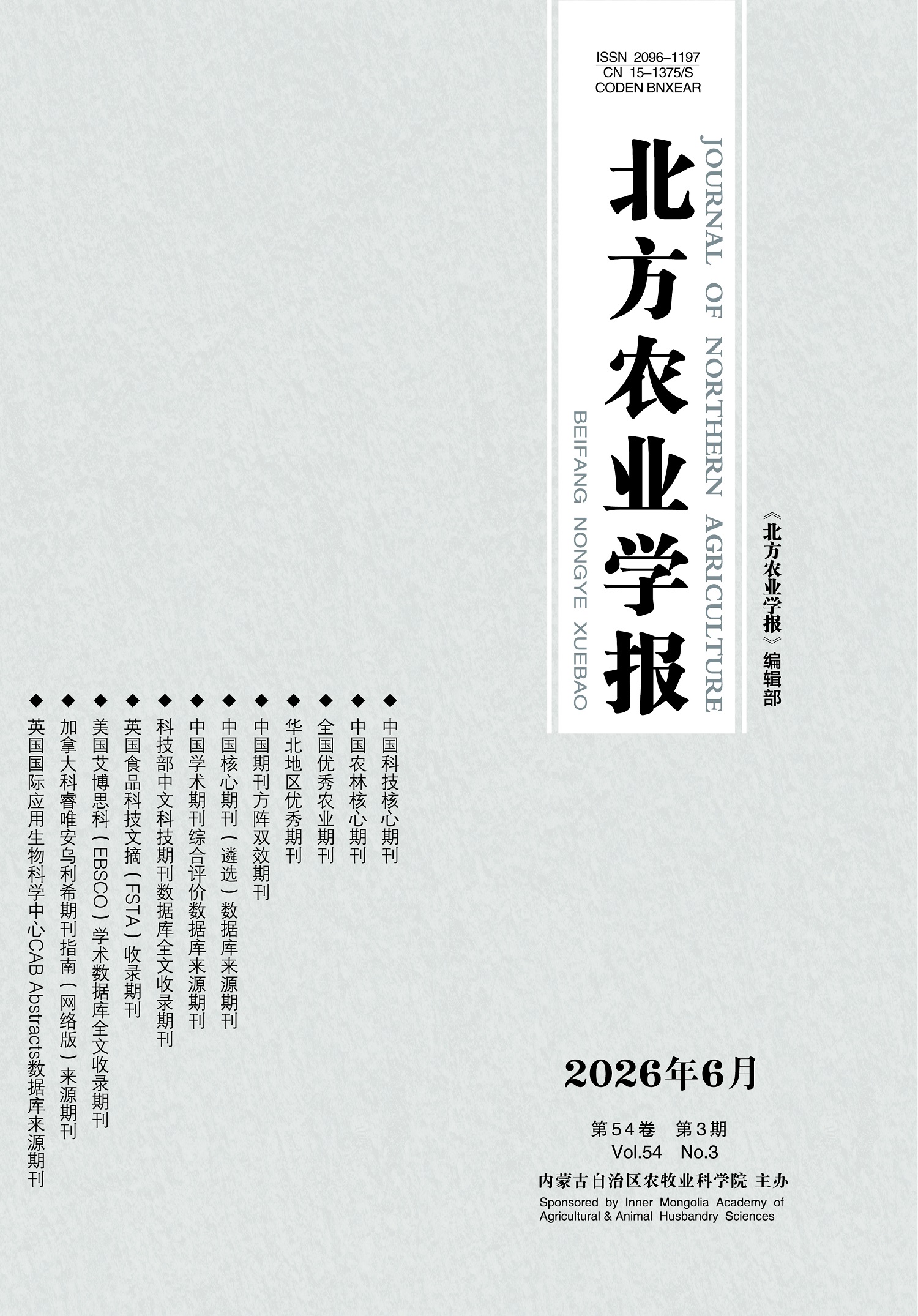
ISSN 2096-1197
CN 15-1375/S
CODEN BNXEAR
chief editor: LU Zhanyuan
Responsible Unit: Inner Mongolia Academy of Agricultural and Animal Husbandry Sciences
Sponsor Unit: Inner Mongolia Academy of Agricultural and Animal Husbandry Sciences
Editing Unit: Editorial Department of Journal of Northern Agriculture
Address: Inner Mongolia Academy of Agricultural and Animal Husbandry Sciences,22 Zhaojun Road,Hohhot,China
E-mail: bfnyxb@126.com